Medicine
Neuro-ophthalmology expert witnesses
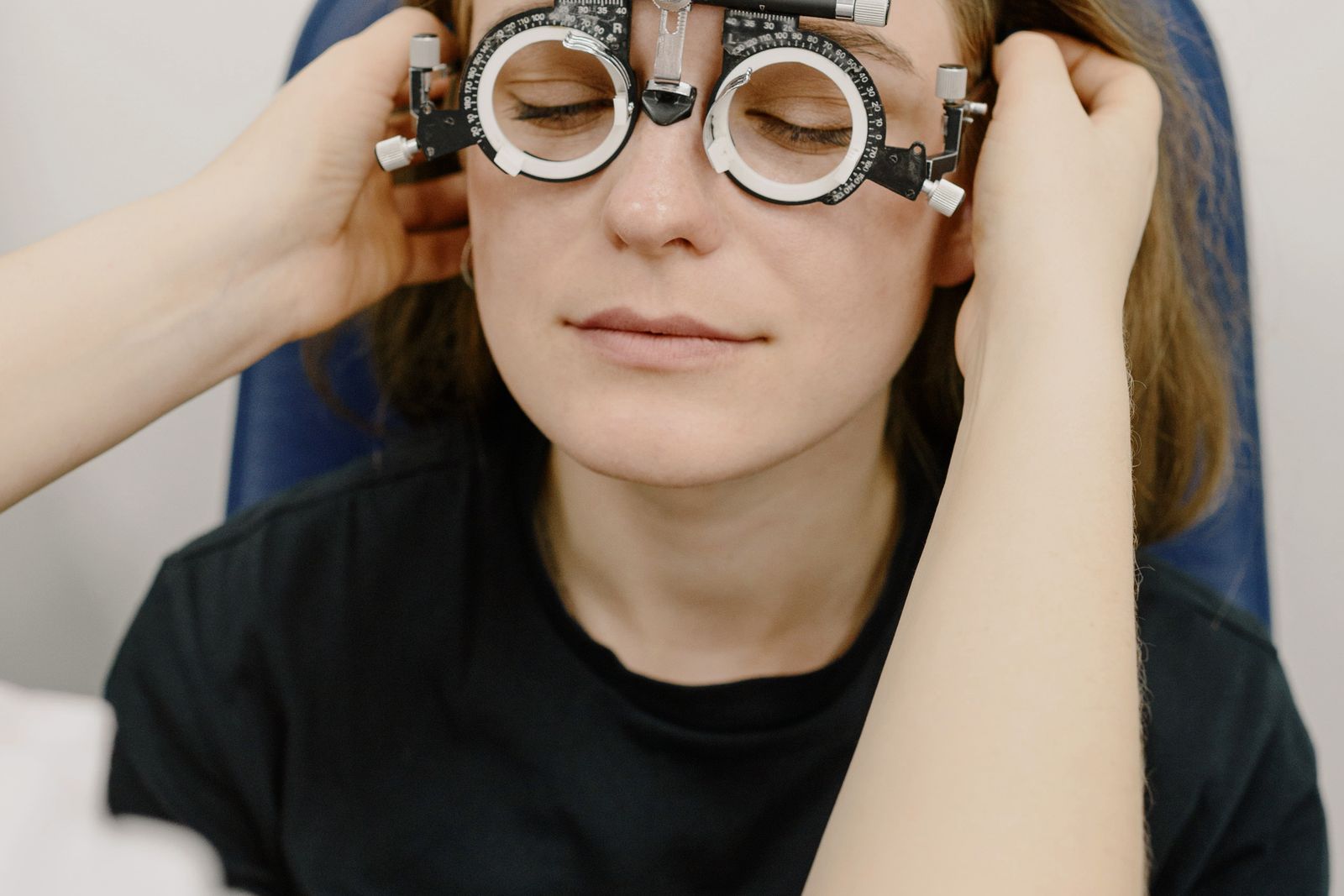
Listed neuro-ophthalmology expert witnesses address visual loss arising from disease or injury to the optic nerve and visual pathways. Field defects, papilloedema and eye movement disorder are the common subjects.
01
The evidence
What a neuro-ophthalmology expert witness is asked to determine
Neuro-ophthalmic evidence sits between two specialties, and the instruction should say which question is being asked. Visual field records, fundus photographs, imaging and orthoptic assessments each establish a different part of the picture. Visual field testing depends on patient cooperation, so the reliability indices on each test should be considered before weight is placed on the result.
- Whether the visual symptoms recorded warranted urgent assessment or imaging.
- Whether papilloedema or optic nerve pathology was identified when it was visible.
- Whether the field defect documented is consistent with the lesion or injury alleged.
- Whether eye movement disorder and diplopia are attributable to the event in question.
- What can be said about visual prognosis and its effect on driving and daily function.
Practitioners are listed across the United Kingdom and Republic of Ireland. Location can be narrowed in the register’s location listings before an instruction is made.
Claim contexts
Claims that instruct this discipline
These links describe the question neuro-ophthalmology evidence can answer. They do not prescribe the scope of an individual instruction.
Clinical negligence claims
Diagnosis and referral in visual pathway disease.
View claim type → 02Brain injury claims
Visual consequences of intracranial injury or disease.
View claim type → 03Road traffic accident claims
Visual loss following a collision and its functional effect.
View claim type →Search the register by the discipline used in the instruction.
See neuro-ophthalmology listingsReport routes
Reports prepared
Field records, imaging and orthoptic assessments support a records review report. A breach and causation report addresses the visual loss alleged.
A condition and prognosis report addresses residual vision and its functional effect. The scope of each of those reports is set out on its page.
Neuro-ophthalmology expert witness evidence
A neuro-ophthalmology expert witness relates the recorded visual findings to the lesion alleged, and states what the field and imaging evidence supports.
The listing identifies discipline and areas covered; enquiries go to the practitioner. See guidance from Royal College of Ophthalmologists alongside the case material.
Directory search
Neuro Ophthalmology listings
Neuro-Ophthalmology Expert Witness Cases & Claims
Related expert witness specialties
Questions answered
Frequently asked questions
Will a Neuro-ophthalmology expert witness respond to Part 35 questions?
Yes - CPR 35.6 entitles the parties to put written questions on a report, and answering them is part of the expert's duty to the court. A Neuro-ophthalmology report prepared for proceedings in England and Wales carries the Part 35 statement of truth, with equivalent duties applying in the other UK jurisdictions.
Can a Neuro-ophthalmology expert act as a single joint expert?
Where the court directs a single joint expert under CPR 35.7, the instruction is agreed between the parties and put jointly - a routine basis of instruction in this field. Whether a particular practitioner accepts SJE appointments is confirmed with the practitioner at the enquiry stage.
Will the expert attend joint discussions or give evidence at trial?
Where the court directs discussions between experts under CPR 35.12, they meet and produce a joint statement of what is agreed and what is disputed; attendance at trial - in person or by video link - is likewise a matter of court direction. These commitments are confirmed with the practitioner at instruction.
Can I choose a Neuro-ophthalmology expert of a specific gender, or one who assesses remotely?
Yes on both counts. Every listing displays the practitioner's gender, consulting locations and assessment types - face to face, remote or both - so sensitive-instruction preferences can be applied at the shortlisting stage, before any contact is made.