Medicine
Brain tumour expert witnesses
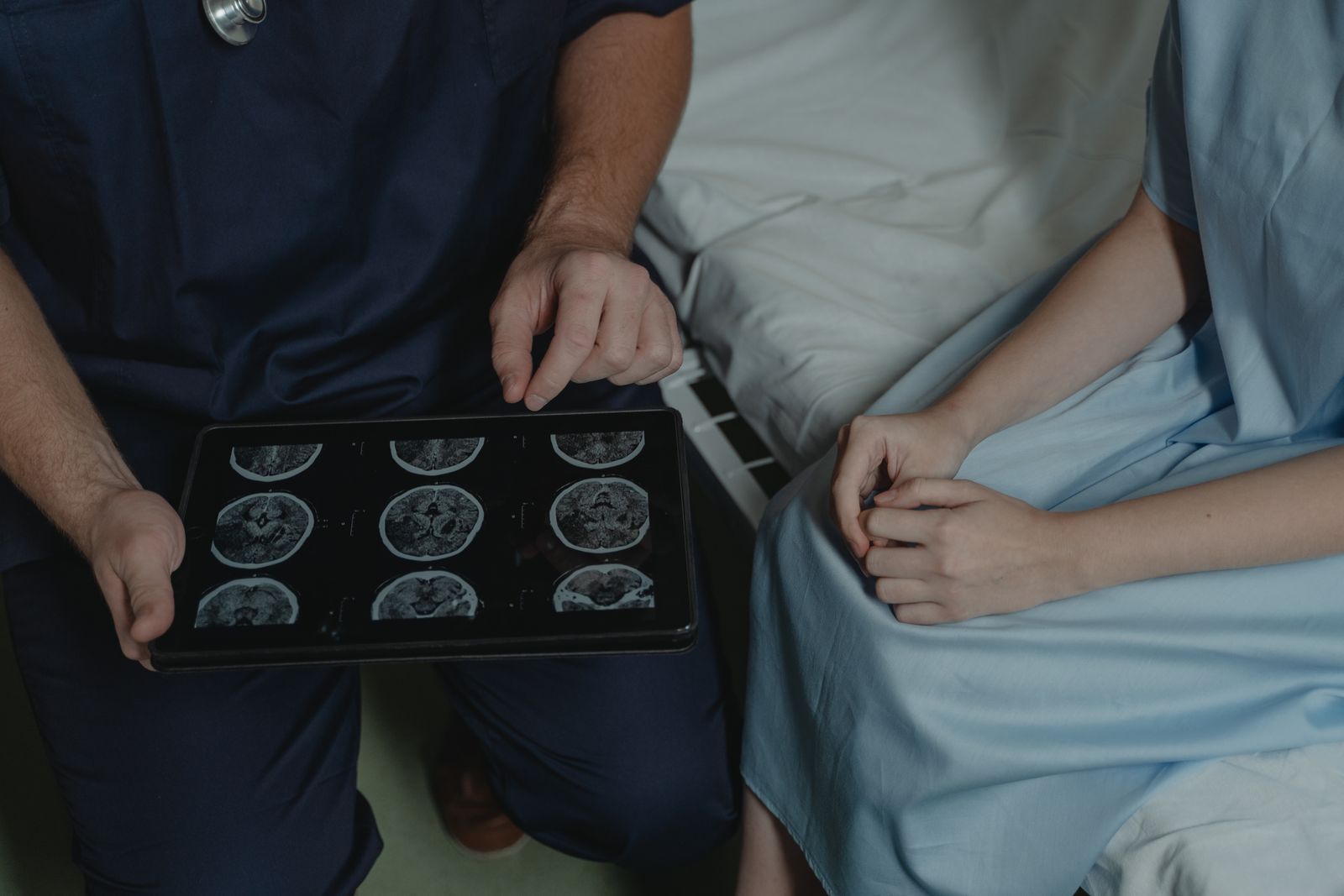
Listed brain tumour expert witnesses address diagnosis, imaging interpretation, treatment planning and the consequences of delay in neuro-oncology. The instruction should identify whether the issue is detection, referral, treatment or the outcome alleged to follow.
01
The evidence
What a brain tumour expert witness is asked to determine
Brain tumour claims usually turn on when a lesion first became detectable and what the presenting symptoms should have prompted. Imaging, referral letters, clinic entries and multidisciplinary team records need to be read in sequence rather than against the diagnosis that eventually emerged.
- Whether the presenting symptoms and examination findings warranted imaging or specialist referral at the time.
- Whether an abnormality was visible and reportable on the imaging then available.
- Whether the treatment plan agreed at multidisciplinary review reflected the tumour type and stage recorded.
- What difference earlier diagnosis would probably have made to the treatment available and the outcome.
- Whether neurosurgical, oncological and radiological evidence answer separate parts of the question.
Practitioners are listed across the United Kingdom and Republic of Ireland. Location can be narrowed in the register’s location listings before an instruction is made.
Claim contexts
Claims that instruct this discipline
These links describe the question brain tumour evidence can answer. They do not prescribe the scope of an individual instruction.
Clinical negligence claims
Diagnosis, referral and treatment decisions in neuro-oncology.
View claim type → 02Brain injury claims
Neurological consequences and functional loss following intracranial disease.
View claim type → 03Inquests
Evidence where the circumstances of a death following brain tumour are examined.
View claim type →Search the register by the discipline used in the instruction.
See brain tumour listingsReport routes
Reports prepared
Imaging and clinic correspondence normally support a records review report at the outset. A breach and causation report then separates the delay alleged from its consequence.
Where continuing deficit is in issue, a condition and prognosis report is normally obtained from the treating discipline. Each report page states what that route covers.
Brain tumour expert witness evidence
A neuro-oncology expert witness reads the imaging and referral record against the symptoms documented at each attendance, and states what can properly be concluded about timing.
Listings can be narrowed by discipline and by location before an approach is made. See the NICE brain tumour guidance alongside the case material.
Directory search
Brain Tumours listings
Brain Tumours Expert Witness Cases & Claims
Related expert witness specialties
Questions answered
Frequently asked questions
Will a Brain Tumours expert witness respond to Part 35 questions?
Yes - CPR 35.6 entitles the parties to put written questions on a report, and answering them is part of the expert's duty to the court. A Brain Tumours report prepared for proceedings in England and Wales carries the Part 35 statement of truth, with equivalent duties applying in the other UK jurisdictions.
Can a Brain Tumours expert act as a single joint expert?
Where the court directs a single joint expert under CPR 35.7, the instruction is agreed between the parties and put jointly - a routine basis of instruction in this field. Whether a particular practitioner accepts SJE appointments is confirmed with the practitioner at the enquiry stage.
Will the expert attend joint discussions or give evidence at trial?
Where the court directs discussions between experts under CPR 35.12, they meet and produce a joint statement of what is agreed and what is disputed; attendance at trial - in person or by video link - is likewise a matter of court direction. These commitments are confirmed with the practitioner at instruction.
Can I choose a Brain Tumours expert of a specific gender, or one who assesses remotely?
Yes on both counts. Every listing displays the practitioner's gender, consulting locations and assessment types - face to face, remote or both - so sensitive-instruction preferences can be applied at the shortlisting stage, before any contact is made.