Primary and acute care
Paediatric expert witnesses
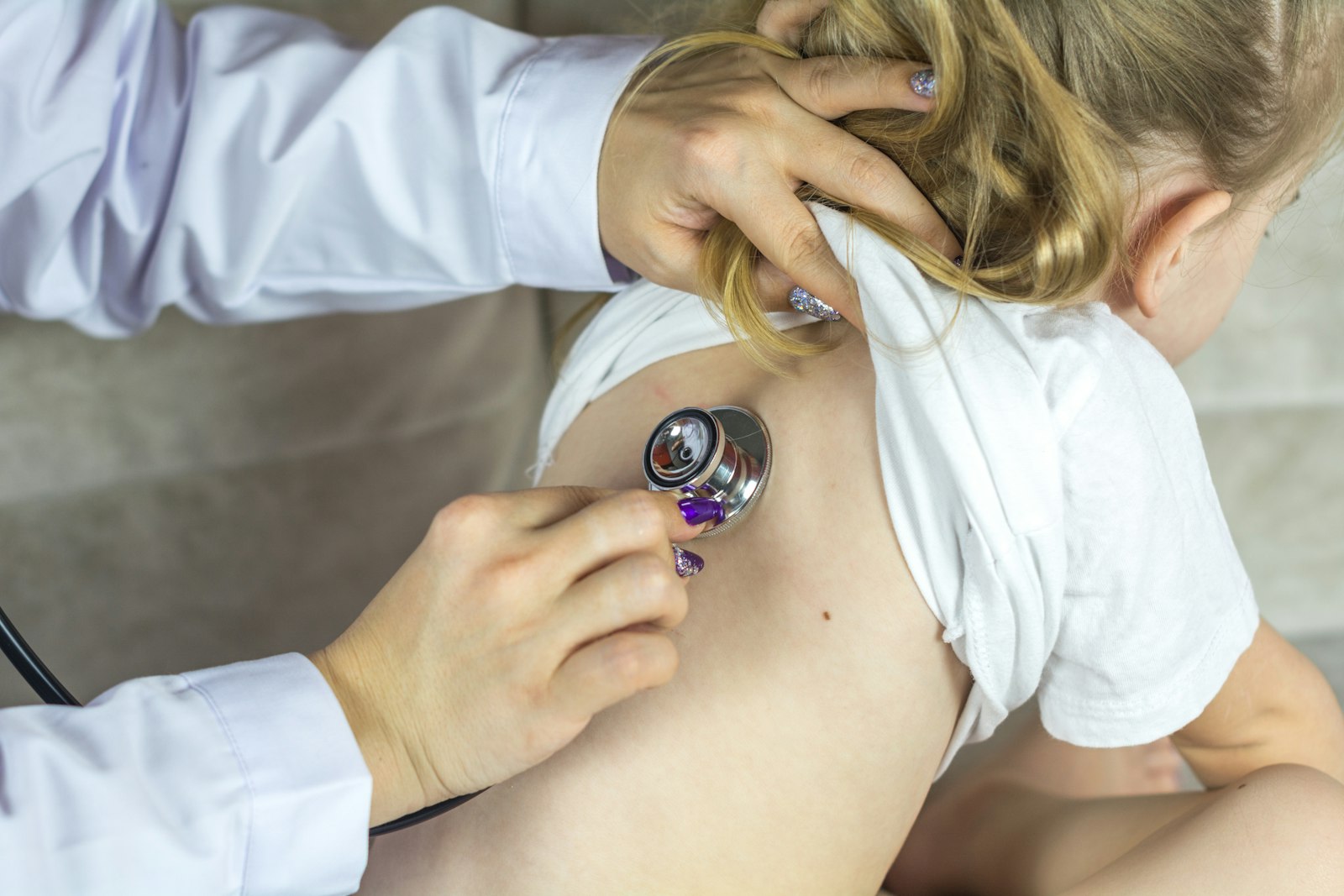
Listed paediatric expert witnesses address the assessment, diagnosis and management of illness and injury in children, including the neonatal period. The sub-specialty required follows the clinical question rather than the age of the child alone.
01
The evidence
What a paediatrics expert witness is asked to determine
Paediatric evidence has to account for presentation that changes quickly and for a history given by someone other than the patient. Growth charts, observation records, feeding and developmental entries often carry more weight than a single consultation note.
- Whether the assessment and investigations undertaken were appropriate to the presentation and the child’s age.
- Whether deterioration was recognised and escalated within an appropriate period.
- Whether the neonatal course, including resuscitation and early management, is relevant to the outcome alleged.
- Whether developmental, growth or feeding concerns were identified and followed up.
- Where a general paediatric opinion ends and a sub-specialty such as neurology or neonatology is required.
Practitioners are listed across the United Kingdom and Republic of Ireland. Location can be narrowed in the register’s location listings before an instruction is made.
Claim contexts
Claims that instruct this discipline
These links describe the question paediatrics evidence can answer. They do not prescribe the scope of an individual instruction.
Birth injury and cerebral palsy claims
Neonatal course and later developmental evidence.
View claim type → 02Clinical negligence claims
Assessment, diagnosis and escalation in the care of a child.
View claim type → 03Brain injury claims
Acquired brain injury in childhood and its documented consequences.
View claim type →Search the register by the discipline used in the instruction.
See paediatrics listingsReport routes
Reports prepared
Paediatric records support a records review report covering the neonatal period, growth and subsequent attendances. A breach and causation report addresses the criticism and the consequence separately.
Where the claim concerns a child’s continuing needs, a condition and prognosis report is normally required from the relevant sub-specialty. The form requirements sit on the relevant report page.
Paediatric expert witness evidence
A paediatrician expert witness reads the child’s record across time rather than at a single point, and identifies where a sub-specialty opinion is needed.
The register publishes discipline and location; the instruction is settled between solicitor and practitioner. See guidance from Royal College of Paediatrics and Child Health alongside the case material.
Directory search
Paediatrics listings
Paediatrics Expert Witness Cases & Claims
Related expert witness specialties
Questions answered
Frequently asked questions
Will a Paediatrics expert witness respond to Part 35 questions?
Yes - CPR 35.6 entitles the parties to put written questions on a report, and answering them is part of the expert's duty to the court. A Paediatrics report prepared for proceedings in England and Wales carries the Part 35 statement of truth, with equivalent duties applying in the other UK jurisdictions.
Can a Paediatrics expert act as a single joint expert?
Where the court directs a single joint expert under CPR 35.7, the instruction is agreed between the parties and put jointly - a routine basis of instruction in this field. Whether a particular practitioner accepts SJE appointments is confirmed with the practitioner at the enquiry stage.
Will the expert attend joint discussions or give evidence at trial?
Where the court directs discussions between experts under CPR 35.12, they meet and produce a joint statement of what is agreed and what is disputed; attendance at trial - in person or by video link - is likewise a matter of court direction. These commitments are confirmed with the practitioner at instruction.
Can I choose a Paediatrics expert of a specific gender, or one who assesses remotely?
Yes on both counts. Every listing displays the practitioner's gender, consulting locations and assessment types - face to face, remote or both - so sensitive-instruction preferences can be applied at the shortlisting stage, before any contact is made.